The Evolution of Graphic Design in 2026
Graphic design in 2026 is a vibrant tapestry of innovation and nostalgia, where technology and human emotion intertwine. As we navigate a post-digital era, designers are moving beyond the screen to create experiences that resonate on a deeply personal level. This year’s trends reflect a collective desire for authenticity, sustainability, and meaningful connection. From the resurgence of handcrafted elements to the integration of AI as a collaborative tool, the design landscape is more dynamic than ever. Let’s dive into the key trends shaping visual communication in 2026 and explore how you can apply them to your own projects.
1. Neo-Brutalism: Bold, Unapologetic, and Raw
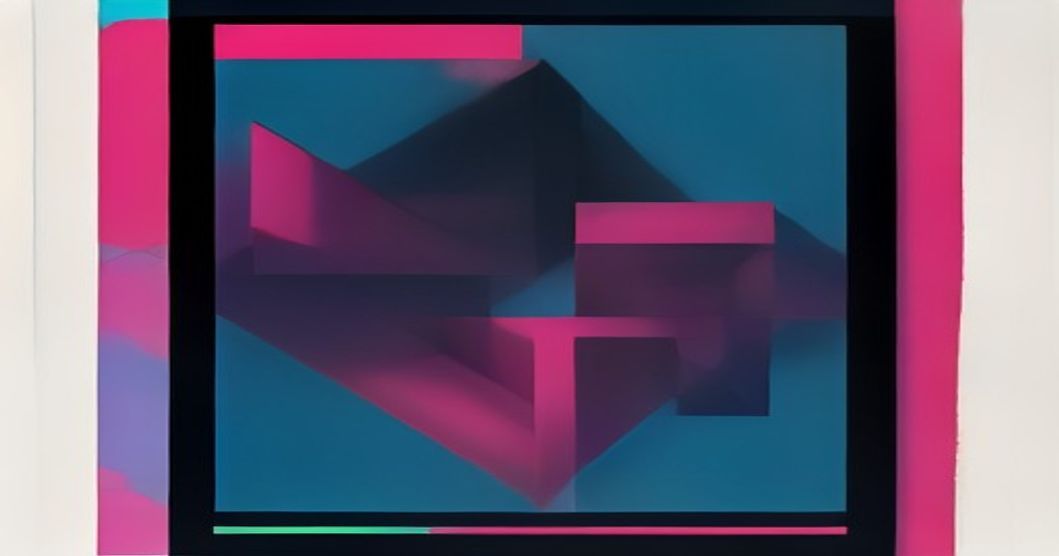
Neo-brutalism continues its reign in 2026, but it has evolved beyond the stark, high-contrast aesthetics of the early 2020s. Today’s neo-brutalism incorporates softer textures, rounded corners, and playful asymmetry while retaining its signature bold borders and raw, unpolished feel. This trend is a reaction against the sterile perfection of corporate minimalism. It embraces imperfection, using clashing colors, overlapping elements, and visible grids to create a sense of honesty and directness. Brands are leveraging this style to appear more relatable and transparent, especially those targeting Gen Z and Gen Alpha audiences who value authenticity over polish.
How to apply: Start with a bold color palette (think electric blues, hot pinks, and acid greens). Use thick, black outlines and hard shadows to create depth. Don’t be afraid to let your layout feel slightly chaotic—overlap text and images, and break the grid intentionally. The goal is to look like you created it with raw energy, not a template.
2. Anti-Design: Deliberate Chaos and Visual Rebellion
Taking the rebellion a step further, anti-design challenges conventional notions of beauty and usability. In 2026, this trend is less about making things ‘ugly’ and more about prioritizing expression over function. Think glitch effects, distorted typography, and random placements that mimic the randomness of social media feeds. Anti-design is a powerful tool for brands looking to stand out in a crowded digital space, particularly in the music, fashion, and art sectors. It speaks to a generation that is skeptical of corporate polish and craves raw, unfiltered communication.
How to apply: Experiment with typefaces that are intentionally hard to read—maybe overlapping or partially cropped. Use collage techniques, scan lines, and RGB splits. The key is to make it look effortless, even if it took hours to achieve. Remember, anti-design still requires a strong underlying concept; it’s not an excuse for sloppy work.
3. Authentic Photography and Realism
In a world saturated with AI-generated imagery, there is a growing hunger for real, unretouched photographs. 2026 sees a major shift toward authentic, documentary-style visuals that capture genuine moments, real people, and unfiltered emotions. This trend is a direct response to the uncanny valley of AI art and the curated perfection of Instagram. Brands are now using raw, grainy photos, candid shots, and even user-generated content to build trust and foster a sense of community. This approach is particularly effective in industries like healthcare, education, and non-profits, where credibility is paramount.
How to apply: Swap out stock photos for original photography, even if it’s shot on a smartphone. Embrace natural lighting, imperfect compositions, and real-life scenarios. Show the messiness of human existence—it’s what makes your brand relatable. If you must use stock, opt for images that look candid and unposed.
4. Maximalism with a Purpose
While minimalism has its place, 2026 is all about maximalism—but with a purpose. This isn’t about clutter for clutter’s sake; it’s about layering rich textures, vibrant patterns, and dense information in a way that tells a story. Designers are creating immersive visual experiences that reward exploration. Think editorial-style layouts with mixed media, bold color blocks, and intricate illustrations. This trend is perfect for brands that want to convey complexity and depth, such as tech companies explaining intricate products or cultural institutions showcasing diverse narratives.
How to apply: Build a visual hierarchy that guides the eye through a chaotic landscape. Use a cohesive color scheme to tie disparate elements together. Incorporate illustrations, infographics, and typography in a single composition. The key is to maintain balance so that the design feels intentional, not overwhelming.
5. Handcrafted and Artisanal Elements
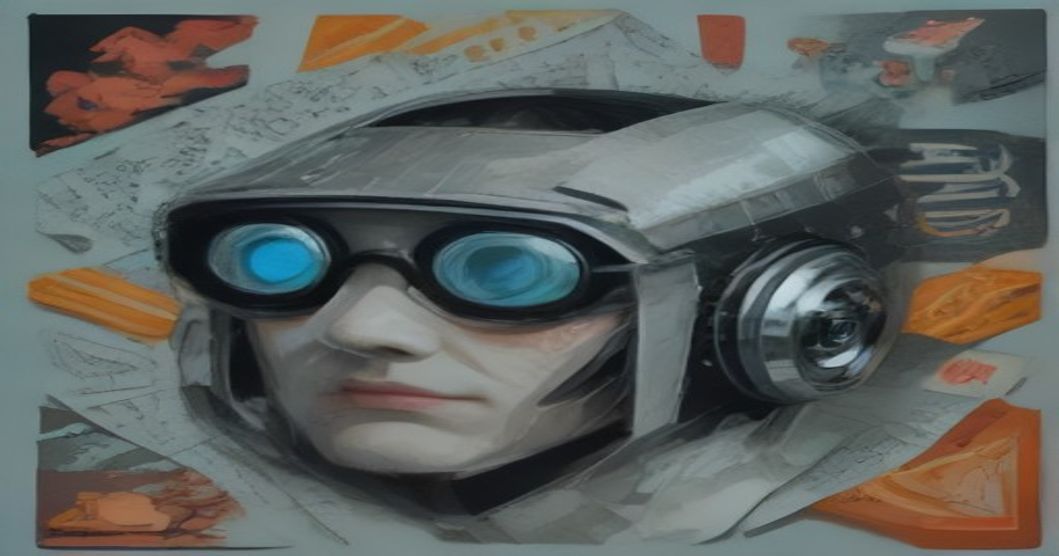
As we become more digitally connected, the value of the handmade has skyrocketed. In 2026, graphic design is embracing imperfections through hand-drawn illustrations, custom lettering, and tactile textures like paper grain and brush strokes. This trend is a nod to the artisanal and the bespoke, often combined with modern layouts to create a bridge between old and new. It’s particularly popular in the food and beverage industry, where craft and authenticity are key selling points. But it’s also finding its way into corporate branding, as companies seek to humanize their image.
How to apply: Commission custom illustrations or create your own hand-lettered type. Scan in physical textures—like watercolor washes, pencil sketches, or even coffee stains—and blend them with digital elements. The goal is to add a layer of warmth and humanity that pure digital tools can’t replicate.
6. AI-Assisted Design: The Human-AI Partnership
In 2026, AI is not just a tool; it’s a creative partner. Designers are using generative AI to explore countless variations quickly, then applying their human judgment to curate and refine. This collaboration allows for unprecedented experimentation and efficiency. However, the trend is not about letting AI run wild. Instead, it’s about using AI to handle repetitive tasks, generate mood boards, or create base compositions that designers then infuse with their unique style. The result is a hybrid approach that blends the speed of machine learning with the emotional intelligence of human creativity.
How to apply: Use AI tools to generate a wide range of concepts for a project, then select the most promising ones to develop further. Treat AI as a brainstorming partner, not a final decision-maker. Always add your personal touch—whether it’s a color adjustment, a typography choice, or a compositional tweak—to ensure the final output feels authentically yours.
7. Sustainable and Eco-Conscious Design
Sustainability has moved from a niche concern to a mainstream imperative. In 2026, graphic designers are actively considering the environmental impact of their work. This includes choosing eco-friendly printing methods, reducing waste in packaging design, and using color palettes and imagery that reflect a connection to nature. But it goes deeper: designers are also creating work that encourages sustainable behaviors, using visual storytelling to advocate for climate action. This trend is not just a moral choice; it’s a business one, as consumers increasingly align with brands that share their values.
How to apply: Opt for digital-first designs to minimize print waste. When printing is necessary, use recycled paper and soy-based inks. Design packaging that is minimal and recyclable. Use visuals that feature natural landscapes, renewable energy, and diverse communities to reinforce your commitment to sustainability.
8. Fluid Gradients and 3D Aesthetics
Gradients are making a comeback, but in 2026 they are more sophisticated than ever. Fluid, organic gradients that mimic the flow of water or the glow of auroras are being used to add depth and dimension. Combined with 3D elements—like glossy blobs, metallic textures, and soft shadows—these gradients create a sense of otherworldly realism. This trend is perfect for tech brands, gaming companies, and any project that wants to evoke innovation and futurism. The key is to keep the gradients smooth and subtle, using them to enhance rather than overpower the message.
How to apply: Use gradient meshes in software like Adobe Illustrator or explore CSS gradients for web design. Add 3D shapes using tools like Blender or Cinema 4D, then integrate them with your 2D elements. Play with light sources and reflections to make your designs feel tangible.
9. Retro Futurism: Reimagining the Past
There’s a nostalgic pull toward the future as imagined by the past. Retro futurism in 2026 draws inspiration from the space-age designs of the 1960s and the cyberpunk visions of the 1980s, but with a modern twist. Think chrome, neon, and bold geometric shapes, paired with contemporary typography and layouts. This trend taps into our collective optimism for what the future holds, while acknowledging the cyclical nature of design. It’s especially popular in the entertainment and gaming industries, where world-building is key.
How to apply: Look to vintage sci-fi posters, old computer interfaces, and mid-century modern design for inspiration. Combine these with modern color palettes and digital effects. Use typography that feels both futuristic and retro, like bold sans-serifs with a slight italic slant. The goal is to create a sense of timelessness.
10. Inclusive and Accessible Design
Finally, 2026 is the year when inclusivity and accessibility are non-negotiables. Designers are moving beyond tokenism to create work that is truly inclusive—representing diverse genders, races, abilities, and ages. This includes using accessible color contrasts, legible typography, and alt text for images. But it also means involving underrepresented voices in the design process itself. This trend is about designing for everyone, regardless of their background or abilities, and it’s reshaping how we approach everything from branding to user interfaces.
How to apply: Ensure your designs meet WCAG standards for contrast and readability. Use inclusive imagery that reflects the diversity of your audience. Consider how your design might be experienced by someone with a visual impairment or cognitive disability. Make accessibility a core part of your design brief, not an afterthought.
Putting It All Together
The design trends of 2026 are a testament to our desire for authenticity, connection, and purpose. They challenge us to be bolder, more experimental, and more human. Whether you’re a seasoned designer or just starting out, these trends offer a wealth of inspiration. The key is to use them as a starting point, not a rulebook. Blend elements that resonate with your brand’s identity and your audience’s needs. In the end, the best design is the one that communicates effectively and leaves a lasting impression. So go ahead, break the rules, and create something that truly speaks to the spirit of our times.