
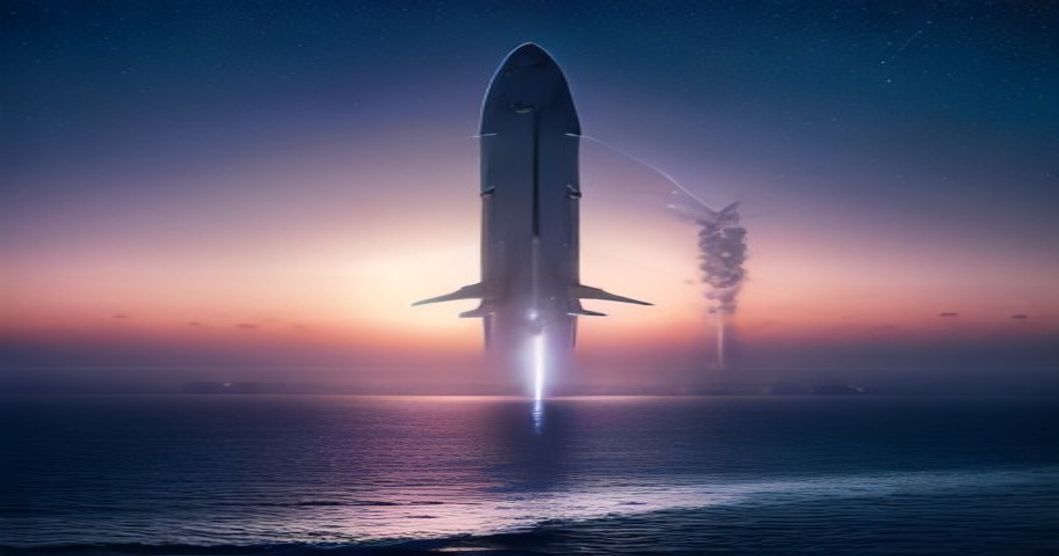

The Dawn of a New Era in Spaceflight
As we move through 2026, SpaceX has firmly established itself not just as a launch provider, but as the architect of a new space economy. With Starship now flying regular missions and Starlink becoming a global utility, the company is reshaping how we think about access to space. Here’s what’s happening at SpaceX right now and why it matters for everyone, from investors to future space tourists.

Starship: From Test Flights to Operational Reality
2026 marks a pivotal year for Starship. After years of iterative testing, the fully reusable super heavy-lift vehicle is now conducting operational missions. The most significant development is the successful deployment of the first generation of Starship-based Starlink satellites, which are larger and more capable than their Falcon-launched predecessors. These satellites are designed to provide direct-to-cell coverage, enabling global connectivity without the need for ground infrastructure.
More importantly, Starship has completed its first uncrewed cargo mission to the lunar surface under NASA’s Artemis program, delivering critical supplies and infrastructure for the upcoming crewed landing. This achievement has demonstrated the vehicle’s reliability and opened the door for more ambitious missions, including the first crewed Starship flight to the Moon, currently scheduled for late 2027.
Key Milestones Achieved in 2026
- Successful orbital refueling demonstration, a critical capability for deep space missions.
- First commercial payload delivery to geostationary orbit using Starship, undercutting traditional launch costs.
- Rapid turnaround of boosters and ships, with some vehicles flying three times within a month.
Starlink: The Global Connectivity Revolution
Starlink has evolved from a niche service for rural users to a mainstream broadband provider. With over 8 million subscribers worldwide, it is now the largest satellite internet provider. The second-generation constellation, enabled by Starship’s massive payload capacity, is providing gigabit-speed internet to even the most remote regions. In 2026, Starlink has partnered with major telecom companies to offer hybrid terrestrial-satellite services, ensuring seamless coverage in urban canyons and rural areas alike.
The direct-to-cell service, which works with standard smartphones, has been a game-changer for emergency services and developing nations. In the wake of recent natural disasters, Starlink’s ability to provide instant communication has saved lives, cementing its role as critical infrastructure.
Beyond Consumer Internet: Starlink for Business and Government
SpaceX has also launched Starlink Business, offering dedicated bandwidth and priority support for enterprises. Government contracts have expanded, with defense agencies using Starlink for secure communications and surveillance. The company’s recent acquisition of a spectrum license for space-based data relay is set to disrupt the satellite communications market further.
The New Space Economy: SpaceX’s Expanding Ecosystem
SpaceX is no longer just a rocket company. In 2026, it has diversified into several ventures that are creating new markets and revenue streams.
Space Tourism and Commercial Habitats
The first private crewed mission to orbit aboard Starship took place in early 2026, with a crew of private astronauts spending three days in low Earth orbit. This marked the beginning of regular space tourism flights, with prices starting at $10 million per seat. SpaceX is also working on the Orbital Habitat, a modular space station that will serve as a destination for both private missions and research. This habitat is expected to be operational by 2029, offering microgravity research facilities and even a space hotel module.
In-Space Manufacturing
SpaceX has partnered with several biotech and materials science companies to leverage the unique conditions of microgravity. The first commercial in-space manufacturing facility, attached to the Orbital Habitat, is producing fiber optics and pharmaceuticals that cannot be made on Earth. These products are already being sold, with revenue projected to exceed $500 million annually by 2027.
Lunar Logistics and the Artemis Program
SpaceX’s lunar Starship is now the primary cargo vehicle for NASA’s Artemis program. In addition to the uncrewed mission earlier this year, SpaceX has secured contracts to deliver rovers, scientific instruments, and eventually, a lunar surface power system. The company is also developing a lunar lander variant for crewed missions, which will be tested in an uncrewed dress rehearsal later this year.
Challenges and Controversies
Despite its successes, SpaceX faces significant hurdles. Regulatory scrutiny has increased, with the FAA and international bodies questioning the environmental impact of Starship’s high-frequency launches. The company has responded by developing more sustainable propulsion technologies, including methane-based propellants sourced from renewable energy, and is investing in launch sites that minimize ecological disruption.
Competition is also heating up. Blue Origin’s New Glenn and ULA’s Vulcan Centaur are now operational, offering lower prices and reliable service. However, SpaceX’s reusable Starship still holds a 10x cost advantage per kilogram to orbit, making it the preferred choice for most heavy payloads. In the satellite internet space, Amazon’s Kuiper is rolling out, but Starlink’s head start and superior performance keep it ahead.
Internally, SpaceX has faced criticism over its work culture and high turnover. The company has implemented new initiatives to improve employee well-being, including flexible work arrangements and mental health support, in an effort to retain top talent.
What’s Next for SpaceX in 2026 and Beyond
The remainder of 2026 promises more excitement. SpaceX has several major launches scheduled, including the first crewed mission to the Moon under Artemis III, which is slated for late 2026. The company is also planning the first Starship mission to Mars, an uncrewed cargo flight that will test landing and resource utilization technologies. This mission, set for 2027, will pave the way for crewed missions in the 2030s.
On the commercial side, SpaceX is expanding its launch cadence to a record 200 launches this year, with half of those being Starship flights. The company is also rolling out a satellite servicing business, offering refueling and repair for other satellites in orbit, a service that could disrupt the satellite insurance industry.
Practical Takeaways for Enthusiasts and Investors
For space enthusiasts, following SpaceX’s progress is more accessible than ever. The company streams most launches live on X and its website, and its Starlink service allows anyone to experience high-speed satellite internet. For investors, SpaceX remains private, but its valuation has soared to $350 billion, making it one of the most valuable private companies in the world. Opportunities for public investment are limited, but you can gain exposure through companies that supply SpaceX, such as those in the aerospace supply chain.
If you’re considering a career in the space industry, SpaceX’s growth signals a booming job market. The company is hiring engineers, data scientists, and even space tourism operators. With the Artemis missions and Mars plans, the next decade will require a diverse workforce.
Conclusion
SpaceX in 2026 is a testament to what persistence and innovation can achieve. From its humble beginnings launching small payloads to now orchestrating lunar missions and building a global satellite network, the company is at the forefront of the new space age. As we look to the future, one thing is clear: the sky is no longer the limit. Whether you’re a dreamer, an investor, or simply someone who uses Starlink, you’re a part of this incredible journey. Stay tuned, because the best is yet to come.