
Welcome to the Future (No, Seriously—It’s Already Here)
Let’s be honest: the tech world loves a buzzword. But every so often, the noise fades and something real emerges—something that actually changes how we live, work, and connect. That’s where we are in 2026. The breakthroughs we’re seeing aren’t just incremental upgrades; they’re tectonic shifts. From AI that finally understands context to quantum computers that are starting to solve real problems, this year is delivering on promises made a decade ago. So grab your coffee, and let’s dive into the seven technologies that are reshaping our world right now.
1. AI Gets a Body: The Rise of Embodied Intelligence
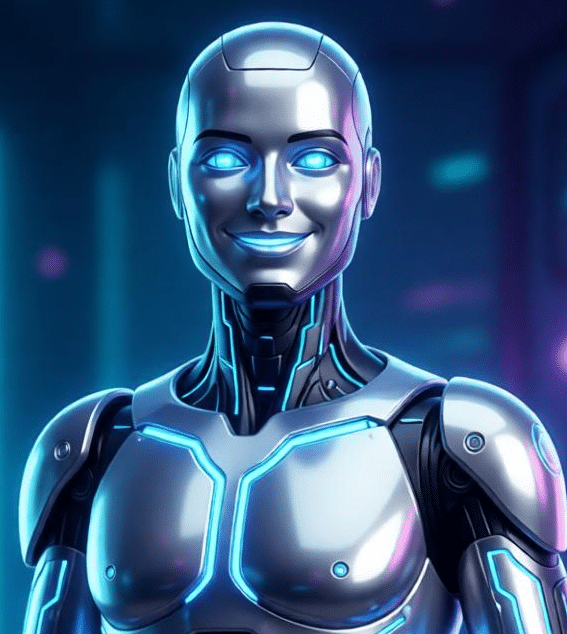
For years, AI lived in the cloud—brilliant but disembodied. In 2026, it’s stepping into the physical world. Thanks to advances in multimodal learning and lightweight sensors, robots are finally moving with human-like grace and understanding. Think warehouse bots that navigate chaos without bumping into each other, or home assistants that can actually fold your laundry (yes, really). The key breakthrough? A new generation of foundation models that process vision, touch, and language in real time, all on a chip the size of a postage stamp.
What this means for you: Expect to see more autonomous helpers in retail, healthcare, and even your own kitchen. The line between digital assistant and physical robot is blurring fast.
2. Quantum Computing Finally Gets Practical (Sort Of)
Quantum computing has been the “next big thing” for so long it became a punchline. But 2026 is different. We’re not talking about replacing your laptop—we’re talking about quantum processors solving specific, high-value problems: drug discovery, battery chemistry, and logistics optimization. Companies like IBM and startups like PsiQuantum have demonstrated quantum advantage for real-world tasks, and cloud providers now offer quantum-as-a-service. The catch? It’s still expensive and niche, but the genie is out of the bottle.
What this means for you: If you’re in pharma, finance, or materials science, start learning about quantum algorithms now. The jobs are coming.
3. The Battery Revolution: Solid-State Goes Mainstream
Electric vehicles are great—until you’re stuck at a charging station for an hour. Not anymore. Solid-state batteries have finally hit mass production in 2026, offering double the energy density, faster charging (think 10 minutes to 80%), and dramatically improved safety. Toyota, QuantumScape, and a slew of Chinese manufacturers are rolling them out in everything from cars to grid storage. This isn’t just about cars; it’s about a complete rethink of how we store and use energy.
What this means for you: Your next EV might charge as fast as filling a gas tank. And your home battery backup could power your house for days, not hours.
4. Brain-Computer Interfaces: From Lab to Life
Neural interfaces used to be the stuff of sci-fi. In 2026, they’re restoring sight to the blind and movement to the paralyzed. Companies like Neuralink and Synchron have moved beyond clinical trials to limited commercial availability for medical use. The breakthrough? Minimally invasive implants that read neural signals with unprecedented accuracy, paired with AI that translates thought into action. It’s early days, but the implications are staggering.
What this means for you: If you or a loved one has a neurological condition, hope is on the horizon. For the rest of us, the ethical debates are just beginning.
5. 6G Is Closer Than You Think (And It’s Not Just Faster)
You just got used to 5G, right? Well, 6G is already being tested in labs and select cities. But here’s the twist: 6G isn’t just about speed—it’s about sensing. The same signals that carry data can also map your environment, detect gestures, and even monitor vital signs. Imagine a network that knows when you’re about to fall. That’s the promise of 6G, and it’s coming by 2030, with early deployments in 2026 setting the stage.
What this means for you: Get ready for a world where connectivity is invisible, ubiquitous, and incredibly smart. Your devices will anticipate your needs before you do.
6. CRISPR 2.0: Gene Editing Without the Fear
CRISPR changed everything, but it had a reputation problem: off-target edits and ethical nightmares. Enter CRISPR 2.0—new techniques like base editing and prime editing that are so precise they can change a single letter of DNA without cutting the double helix. In 2026, we’re seeing personalized cancer therapies, cures for sickle cell disease, and even edits that prevent inherited diseases before birth. The FDA has approved multiple therapies, and the cost is finally starting to come down.
What this means for you: Genetic medicine is becoming mainstream. Talk to your doctor about screening options—and brace for a future where diseases are edited out before they start.
7. The Metaverse Grows Up: Spatial Computing for Everyone
Remember when the metaverse was a punchline? In 2026, it’s quietly becoming useful. Apple’s Vision Pro and its competitors have evolved into lightweight glasses that blend digital and physical worlds seamlessly. The killer app isn’t gaming—it’s productivity. Imagine having a dozen virtual monitors in your coffee shop, or collaborating with colleagues as if they’re in the room. Spatial computing is finally hitting its stride, and it’s changing how we work, learn, and create.
What this means for you: If you’re a remote worker, your next upgrade might be a pair of smart glasses. The office is wherever you are.
The Bottom Line: Embrace the Disruption
These breakthroughs aren’t just cool—they’re converging. AI powers quantum research; solid-state batteries enable better robots; brain-computer interfaces rely on advanced materials. The pace of change is dizzying, but it’s also exhilarating. The key takeaway? Stay curious, keep learning, and don’t be afraid to experiment. The future isn’t something that happens to you—it’s something you can shape. And in 2026, the tools to shape it are more powerful than ever.