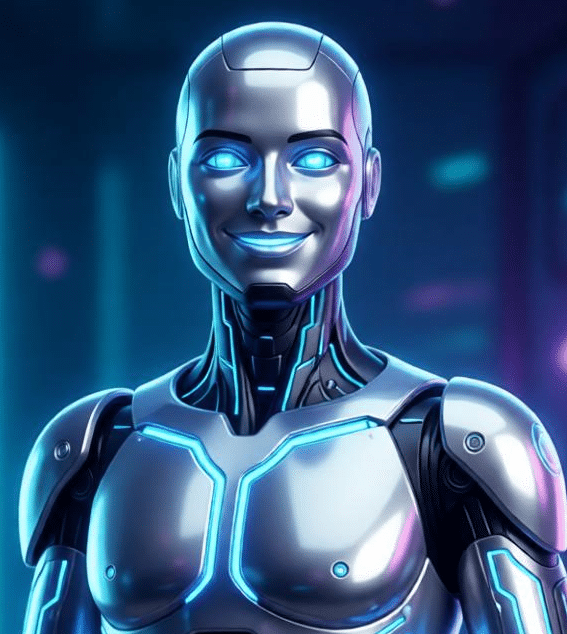

The Future Is Already Here: 7 Tech Breakthroughs Defining 2026
Remember when we thought 2026 would be all flying cars and holograms? Well, we’re not quite there yet—but the technology emerging right now is arguably even more impressive. From AI that actually understands context to quantum computers solving problems in minutes that would take classical machines millennia, 2026 is shaping up to be a landmark year for innovation. In this post, we’ll cut through the hype and look at seven breakthroughs that are real, impactful, and poised to reshape industries. Let’s dive in.
1. Generative AI Gets a Memory (and Manners)
Generative AI has been the talk of the town for years, but in 2026 it’s finally growing up. The latest models don’t just generate text or images on demand—they remember your preferences, maintain context across sessions, and even anticipate your needs. We’re seeing AI assistants that can manage your calendar, draft emails in your voice, and even negotiate on your behalf (within ethical bounds, of course). The key breakthrough? Persistent memory and improved reasoning capabilities that make AI feel less like a tool and more like a collaborator.
Practical takeaway: If you haven’t already, start integrating AI assistants into your workflow. The productivity gains are real, but be sure to set clear boundaries and review outputs—especially for customer-facing communications.
2. Quantum Computing Hits Primetime (Almost)
Quantum computing has been “five years away” for decades, but 2026 marks a turning point. Major tech players and startups alike have demonstrated quantum advantage for practical problems in drug discovery, materials science, and logistics optimization. We’re not yet at the point where quantum computers are in every office, but cloud-based quantum services are now accessible to enterprises, and early adopters are already seeing ROI.
Practical takeaway: Even if you’re not in a quantum-intensive field, keep an eye on how quantum-as-a-service could disrupt your industry. Start experimenting with small pilot projects through cloud providers.
3. Brain-Computer Interfaces Go Non-Invasive
Brain-computer interfaces (BCIs) have moved from lab benches to consumer devices. In 2026, lightweight, non-invasive headsets can read neural signals with impressive accuracy, enabling users to control software, play games, and even communicate without typing. While full-blown telepathy is still sci-fi, these devices are already helping people with disabilities regain independence and giving gamers a new level of immersion.
Practical takeaway: For most businesses, BCIs aren’t yet a must-have, but they’re worth watching—especially in accessibility, healthcare, and entertainment. If you’re in those sectors, consider early experimentation.
4. Solid-State Batteries Finally Power Electric Vehicles
After years of promises, solid-state batteries are finally hitting the road in 2026. These batteries offer longer range, faster charging, and improved safety compared to traditional lithium-ion. Several major automakers have launched vehicles with solid-state technology, and the charging infrastructure is racing to keep up. The result? EVs that can go 600+ miles on a charge and recharge in under 15 minutes.
Practical takeaway: If you’re considering an EV, 2026 is the year to look at solid-state models. For businesses, now’s the time to plan for charging infrastructure and fleet electrification.
5. Augmented Reality Becomes Actually Useful
AR has been hyped for years, but 2026 is when it becomes genuinely practical. Lightweight AR glasses that look like regular eyewear now offer real-time translation, navigation overlays, and contextual information—all without pulling out your phone. In the enterprise, AR is transforming training, remote assistance, and maintenance workflows. The killer app? It’s not one thing—it’s the seamless integration of digital info into the physical world.
Practical takeaway: Explore AR for training and field service—the ROI can be substantial. For consumer-facing businesses, consider how AR try-ons and visualizations can enhance the shopping experience.
6. Precision Medicine Gets Personal
Thanks to advances in genomics, AI, and wearable sensors, precision medicine is becoming a reality. In 2026, doctors can tailor treatments to your individual genetic makeup, lifestyle, and real-time health data. Wearables now monitor everything from blood glucose to stress levels, and AI algorithms flag potential issues before they become serious. This shift from reactive to proactive healthcare is saving lives and reducing costs.
Practical takeaway: Embrace wearable health tech and share data with your healthcare provider. For employers, offering precision medicine benefits can improve workforce health and satisfaction.
7. Sustainable Tech Turns Carbon Into Products
Climate tech is having a moment, and 2026’s breakthrough is carbon capture and utilization (CCU) at scale. New technologies can capture CO2 from the air and turn it into everything from building materials to fuels to even food. Companies are now producing carbon-negative products that are cost-competitive with traditional alternatives. It’s not a silver bullet for climate change, but it’s a significant step forward.
Practical takeaway: Look for carbon-negative products in your supply chain and consider investing in CCU technologies—both for sustainability goals and long-term cost savings.
Bonus: The Metaverse Finds Its Niche
Remember the metaverse? It didn’t die—it just grew up. In 2026, the metaverse is less about virtual hangouts and more about practical applications: virtual prototyping, remote collaboration, and immersive training. Enterprises are using metaverse platforms to design products, simulate factory floors, and train employees in realistic environments. It’s not the consumer phenomenon some predicted, but it’s quietly becoming a powerful business tool.
Practical takeaway: If you’re in manufacturing, architecture, or education, explore metaverse platforms for simulation and training. Start small with a pilot project.
Final Thoughts: Embrace the Change
The pace of innovation in 2026 is breathtaking, but the common thread is clear: technology is becoming more intuitive, more integrated, and more human-centric. Whether it’s AI that remembers you, batteries that charge in minutes, or glasses that translate the world in real time, these breakthroughs are making life easier, more efficient, and more connected. The key is to stay curious, experiment responsibly, and adapt. The future isn’t just happening—it’s here, and it’s pretty amazing.