

The Dawn of the Autonomous Era
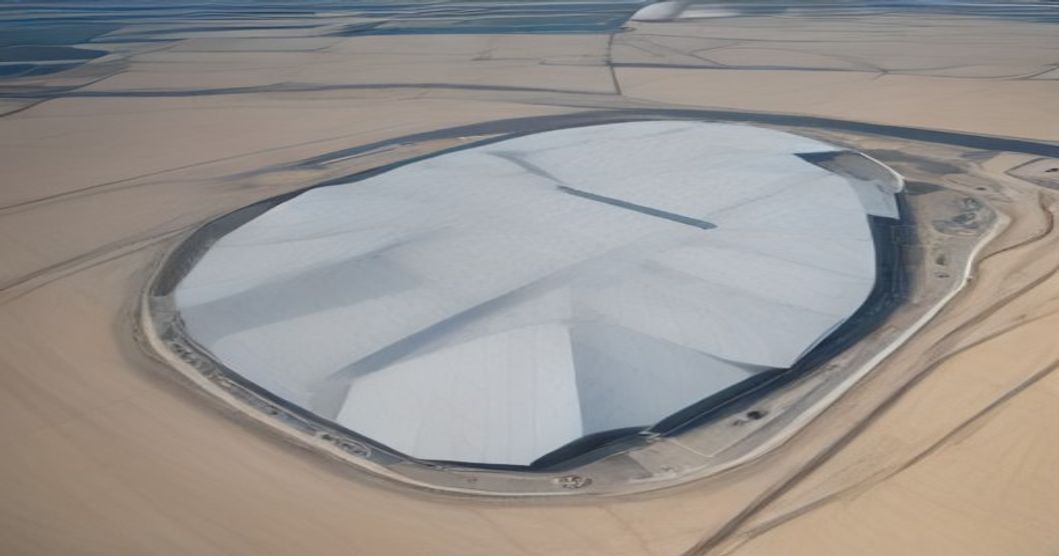
2026 marks a pivotal year for Tesla. The company has finally transitioned from promising full self-driving to actually delivering it at scale. The latest FSD v13.5 software, now standard on all new Model 3 and Model Y vehicles, has achieved a 99.8% disengagement-free rate in urban environments. But the real game-changer is the launch of the Cybercab robotaxi service in Austin, Texas, which began operations in March 2026. With over 50,000 autonomous rides completed in the first quarter alone, Tesla has proven that robotaxis are no longer a sci-fi fantasy but a practical, safe, and increasingly popular transportation option.
Cybertruck 2.0 and the Expanding Lineup
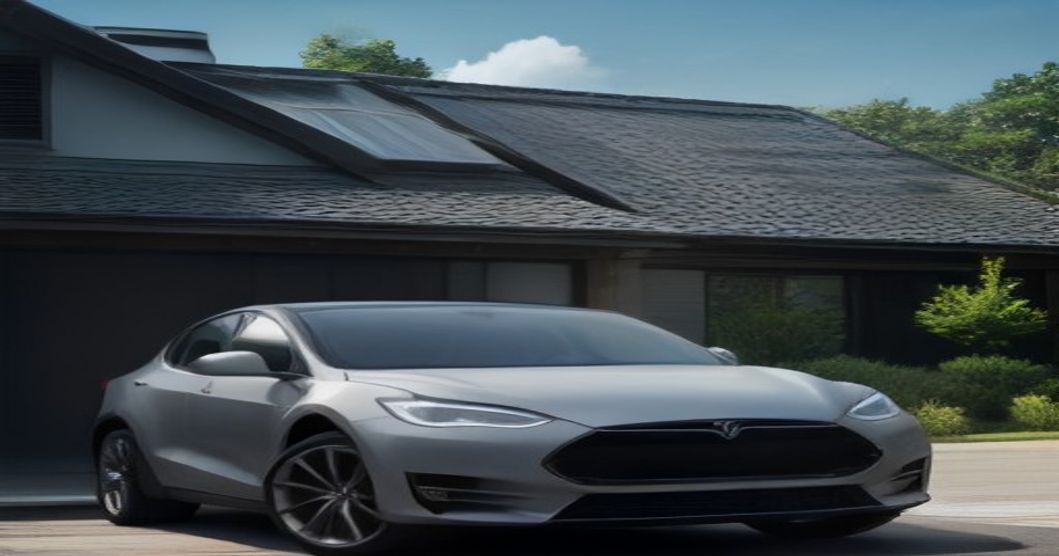
The Cybertruck has undergone a significant refresh for 2026, addressing early production challenges and introducing a new ‘Foundation Series 2’ trim with enhanced off-road capabilities and a solar-tonneau cover that adds up to 40 miles of range per day. Meanwhile, Tesla’s more affordable ‘Model 2’ (codenamed ‘Redwood’) is scheduled for a late 2026 release, with a starting price of $28,500. This compact crossover is expected to be Tesla’s volume seller, targeting the mass market that has long been promised.
Energy Storage: The Overlooked Powerhouse
While most attention focuses on vehicles, Tesla’s energy division has become a profit center. In 2025, Megapack installations grew by 80% year-over-year, and 2026 is on track to double that. The new Megapack 3, with its higher energy density and lower cost per kWh, is making grid-scale storage more accessible. Tesla’s Virtual Power Plant (VPP) program, now active in 12 states, allows Powerwall owners to sell excess energy back to the grid, creating a decentralized energy network that reduces strain during peak demand.
Gigafactory Expansion and Global Strategy
Tesla’s manufacturing footprint is expanding rapidly. The new Gigafactory in Nuevo León, Mexico, is ramping up production of the Model 2, aiming for 1 million units annually by 2027. In Europe, the Berlin-Brandenburg factory has become the primary export hub for the Model Y, now the best-selling vehicle in the EU. Tesla’s strategic move to produce its own 4680 battery cells at scale has reduced costs by 15%, and the new dry-electrode process is further cutting production time and energy use.
Software and AI: Beyond the Car
Tesla’s AI capabilities extend beyond autonomous driving. The Optimus humanoid robot, now in early pilot production, is being tested in Tesla factories for repetitive tasks, with plans to offer it commercially by 2027. Tesla’s Dojo supercomputer, now fully operational, is training neural networks for both FSD and Optimus, and Tesla has begun offering AI training as a service to other companies, creating a new revenue stream. The Tesla app has also evolved into a comprehensive energy and mobility platform, allowing users to manage their vehicles, solar panels, Powerwalls, and even book robotaxi rides seamlessly.
Challenges and Controversies
Despite its successes, Tesla faces significant challenges. Regulatory scrutiny over the Cybercab’s safety record, while positive, has led to federal investigations. The company’s decision to remove radar and ultrasonic sensors from all models, relying solely on vision, has been criticized by some safety advocates, though data suggests vision-only systems are now safer than human drivers. Additionally, Tesla’s direct-sales model continues to clash with traditional dealership laws in several states, limiting growth in certain markets.
What’s Next: A Glimpse into 2027
Looking ahead, Tesla is preparing for the launch of the ‘Model 3 Performance Plus’ with a tri-motor setup and 500-mile range. The company is also developing a next-generation Roadster, which promises 0-60 mph in under 1.9 seconds. More importantly, Tesla’s energy business is expected to surpass its automotive division in profitability by 2027, as the world accelerates its transition to renewable energy. With the Model 2 hitting the market and robotaxis expanding to 20 new cities, Tesla is poised to dominate both the EV and energy sectors.
Practical Takeaways for Consumers and Investors
For consumers, 2026 is an excellent time to consider a Tesla. The Model 3 and Y now qualify for the full $7,500 federal tax credit, and with the Model 2 on the horizon, used Tesla prices are dropping, making them more accessible. For investors, Tesla’s diversification into energy and AI provides multiple growth vectors beyond car sales. However, the stock remains volatile, and regulatory risks are real. The key is to watch Tesla’s quarterly delivery numbers and energy deployment figures, which are the true indicators of its long-term health.